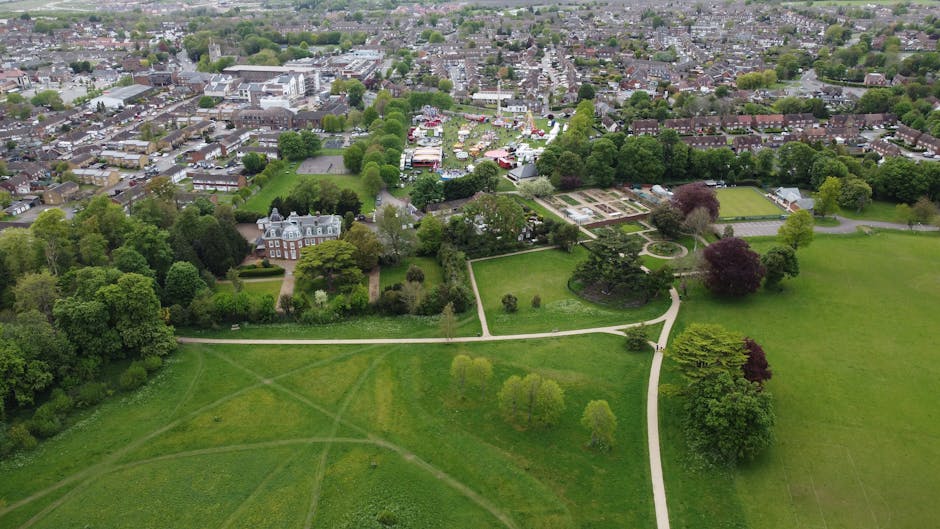
Marble Hill Park local gardeners for historic garden care
If you care about a historic garden, you already know it is not just "garden work". It is tidying without flattening character, improving plant health without rewriting the whole design, and keeping the place looking loved rather than over-managed. That is exactly why people search for Marble Hill Park local gardeners for historic garden care: they want hands-on help from gardeners who understand structure, restraint, seasonal rhythm, and the quiet discipline historic spaces demand.
Marble Hill Park is the sort of place where a clipped hedge, a drifting border, or a tired lawn can change the feel of the whole scene. One heavy-handed visit can do more harm than a month of neglect. On the other hand, the right local gardener brings balance back. In this guide, you will find a clear explanation of how historic garden care works, what to look for in a gardener, where mistakes happen, and how to plan maintenance that respects the site while keeping it usable and beautiful.
Along the way, we will also cover practical services such as garden maintenance, hedge trimming, lawn mowing, and carefully planned tree lopping and removal, because historic garden care usually needs a mix of all four, not just one-off attention.
Why Marble Hill Park local gardeners for historic garden care Matters
Historic garden care is about more than appearance. A heritage setting often carries layers of design intent, mature planting, old boundaries, and long-established sightlines that need to be preserved with care. In a place like Marble Hill Park, even small changes can alter how the space feels. Let's face it, a historic garden loses something when it starts to look over-sheared, overfed, or over-complicated.
Local gardeners bring an important advantage: they understand the pace of the area, the growing conditions, and the practical realities of maintaining a garden that sits within a lived-in London landscape. They are also more likely to notice seasonal changes quickly. One damp week, and a border can turn leggy. A windy spell, and a hedge can begin to look uneven. A gardener who works locally can respond before small problems become obvious eyesores.
There is also a preservation angle. Historic garden care often means working with mature shrubs, established lawns, older soil structure, and trees that have been part of the scene for decades. Those features need judgement. Some work can be done lightly and regularly. Other jobs, such as restoring shape after years of casual neglect, need a more measured approach. A quick cut is not always the right cut.
That is why a good local gardener is part horticulturist, part steward, and part editor. They know when to intervene and when to leave things alone. And sometimes leaving things alone is the skill, which sounds simple until you are standing beside a border that has become far too enthusiastic.
How Marble Hill Park local gardeners for historic garden care Works
Historic garden care usually begins with observation. Before any pruning, mowing, or clearance, the gardener should look at the whole space: the planting scheme, the seasonal condition, the level of wear, the tree canopy, paths, edges, and any areas where the original shape of the garden matters most. This first pass often tells you more than a list of tasks ever could.
From there, the work is normally organised into a maintenance rhythm rather than a one-off rescue job. That might include weekly lawn care, periodic hedge shaping, border tidying, deadheading, selective pruning, leaf removal, and the careful lifting of debris from paths and seating areas. If there are neglected patches or access problems, a first visit may also involve garden clearance before ongoing care begins.
In a historic setting, gardeners should aim for gentle consistency. For example, it is usually better to trim hedges little and often rather than hack them back once they have escaped shape. It is usually better to mow lawns at the right height on a regular schedule than to let them go long and scalp them in one go. Simple rule, really. The garden tells on you if you rush it.
Many historic garden care plans also involve communication with the client about priorities. A homeowner may care most about the front approach and formal views, while a property manager may need the whole site to remain neat, accessible, and safe. In practice, the gardener balances aesthetics, plant health, and usability, then keeps that balance going through the seasons.
If the garden includes built features, maintenance may extend to edges around terraces or seating areas, and sometimes to adjoining hard landscaping. In those cases, services such as landscaping or decking services can support the overall look, provided they are designed to sit quietly within the historic character of the site rather than fight with it.
Key Benefits and Practical Advantages
The biggest benefit is preservation. Historic gardens are full of subtle relationships: between open lawn and shaded edge, between clipped and loose growth, between old stone, old timber, and soft planting. Skilled garden care helps those relationships remain legible. You do not have to be a design historian to see when a space has been cared for with respect.
Another important benefit is plant health. Mature planting can be resilient, but it is not invincible. Poor pruning timing, compacted soil, neglected roots, and uneven watering can all weaken established plants over time. Regular care helps reduce stress and spot problems early, before they become expensive or irreversible.
There is also a practical comfort factor. A well-kept historic garden feels easier to walk through, easier to sit in, and easier to enjoy. Nobody enjoys sidestepping brambles when they are trying to appreciate the view. A tidy path edge and a properly maintained lawn can change how the whole site is used day to day.
- Better visual continuity across formal and informal areas
- Healthier planting through timely pruning and feeding decisions
- Improved access to paths, seats, borders, and entrances
- Reduced risk of overgrowth becoming a restoration problem
- More predictable upkeep through planned visits
For many clients, peace of mind matters as much as the visible result. Knowing that the garden will be handled with steady hands, and not by someone who treats every shrub like it offended them, is a real relief.
Who This Is For and When It Makes Sense
Historic garden care is relevant to a surprising range of people. Homeowners with period properties often want a garden that matches the architecture without looking theme-park formal. Estate managers may need regular maintenance to keep a public-facing or semi-public garden safe and attractive. Schools, hospitality venues, and heritage-adjacent properties may also need gardeners who understand restraint and consistency.
It also makes sense if your garden has become slightly unruly but still has good bones. Maybe the hedges are uneven, the lawn is patchy, and the borders have drifted into chaos by midsummer. That is not unusual. Honestly, gardens do that. The question is whether you want a quick tidy-up or a proper maintenance plan that restores order without stripping character.
You may need this kind of service if:
- the garden contains mature shrubs, established trees, or old hedging
- you want regular maintenance rather than occasional emergency work
- the site has formal sightlines, ornamental beds, or historic structure
- you need the garden to look presentable for visitors, residents, or tenants
- you want a local team that can adapt quickly to seasonal changes
It can also be useful for anyone who prefers to outsource the physically demanding jobs while still keeping some involvement in plant choices and seasonal direction. That mix is common. You do not need to hand over the whole soul of the garden to ask for help.
Step-by-Step Guidance
Here is a practical way to approach historic garden care without overcomplicating it. The aim is not perfection. The aim is steady, informed control. That is the real craft.
- Walk the garden properly. Look at the space in daylight, from the main viewpoints and walking routes. Notice where the eye naturally goes first.
- Identify the non-negotiables. These are the features that define the garden: a line of yew, a long border, mature trees, a central lawn, a focal point, or a path edge that should stay crisp.
- Separate routine care from restoration. Some areas only need maintenance. Others may need careful recovery after months or years of neglect.
- Agree on the right schedule. Weekly, fortnightly, or seasonal visits all serve different needs. A historic garden often benefits from rhythm more than dramatic intervention.
- Use the right service mix. Depending on the site, that may include lawn mowing, hedge trimming, pruning, border care, and occasional tree work.
- Review after the first visit. A decent gardener will tell you what was done, what still needs attention, and what should wait until the right season.
- Keep notes for the seasons. A very old-school habit, but useful. You will remember where the spring bulbs emerged late, or which hedge always surges after rain.
If you are starting from a messy baseline, a one-off reset is often the best beginning. After that, regular garden maintenance keeps things from slipping back. It sounds obvious, yes, but plenty of people wait until the place feels unmanageable and then wonder why the first visit is bigger than expected.
Expert Tips for Better Results
One of the best habits in historic garden care is to protect shape before chasing neatness. A neatly shaved hedge that no longer suits the original line is not really an improvement. The same goes for lawns: cutting them too short may look tidy for a day, then you see stress, patches, and a weak finish. Better to respect the garden's proportions.
Another useful tip is to prune with an eye on future structure, not just immediate clearance. Mature shrubs often recover better when work is staggered across seasons. If you are unsure whether a plant should be reduced, reshaped, or left alone, a good gardener will usually explain the trade-offs in plain English. That sort of explanation matters.
Try to keep access routes clear before the garden starts looking crowded. In a historic space, a blocked path or overhanging branch changes the experience instantly. It also makes routine care harder. Small access problems have a habit of becoming big access problems, which is annoying in the moment and costly later.
A few practical habits help a lot:
- do little and often rather than one big rush
- keep an eye on drainage after wet weather
- watch for weak, crossing, or congested growth
- leave sufficient time between major hedge cuts
- dispose of debris responsibly and keep the site tidy as you go
And if you ever feel tempted to "just take a bit more off", pause. That extra bit is often the bit that changes the whole line. Gardener's regret is real. We have all seen it.
Common Mistakes to Avoid
The most common mistake is treating a historic garden like a blank canvas. It is not. Historic care is interpretive work. You are reading what is already there, then making gentle, informed decisions that help it remain itself.
Another mistake is over-pruning. Heavy cuts can create ugly regrowth, weaken flowering, and expose structural imbalances that were previously hidden by foliage. Sometimes the right answer is a staged reduction, not a dramatic before-and-after moment for the sake of it.
Skipping regular maintenance is another big one. A garden that only gets attention after it looks rough tends to need more disruptive work each time. The difference between "a bit behind" and "properly neglected" can be only a couple of months. Autumn especially can creep up on people. One windy week, and suddenly there are leaves everywhere, that familiar damp smell in the air, and a border that needs more than a quick once-over.
Other mistakes include:
- using the same approach for every plant type
- ignoring soil condition beneath the surface
- letting lawn edges fray until they visually disconnect from the rest of the garden
- forgetting that safety and appearance are linked in public or semi-public spaces
- choosing a gardener solely on speed rather than judgement
Speed has its place, sure. But in a heritage setting, speed without care is a false economy.
Tools, Resources and Recommendations
Good historic garden care relies on tools that allow precision rather than brute force. Clean shears, sharp hedge trimmers, reliable mowers, pruning saws, rakes, secateurs, and safe access equipment all matter. The exact kit depends on the site, but the principle is the same: neat tools, controlled cuts, and tidy finishing.
For larger or more varied gardens, a local gardener may also use planning tools such as seasonal task lists, maintenance logs, and photo records. These are not flashy, but they are genuinely useful. They help track what was done, when it was done, and what needs to happen next. That becomes especially valuable in mature gardens, where the effects of one season carry into the next.
Recommendations worth considering when choosing a gardener:
- Ask how they handle historic planting and whether they adapt pruning to the species and season.
- Look for clear maintenance planning rather than vague promises of "general tidying".
- Check that waste handling is sensible and that green waste is dealt with properly.
- Ask about insurance and safety if the garden includes trees, ladders, or awkward access.
- Choose local continuity where possible, because regular eyes on the site are worth a lot.
If you want to understand the broader range of support available, the services overview is a sensible place to get a feel for how different tasks fit together. And if pricing clarity matters before you commit, the pricing and quotes page can help set expectations without any guesswork.
Law, Compliance, Standards, or Best Practice
Historic garden care is not usually a heavily regulated activity in itself, but it does sit alongside safety, environmental, and property-related responsibilities. If a site includes trees, elevated work, shared access, or public-facing areas, then a professional approach to risk management becomes important. That is not being dramatic; it is just sensible.
Best practice usually includes careful work methods, appropriate public or site safety measures, proper waste handling, and attention to insurer expectations where relevant. If a gardener is working on a managed property or near structures, you want them to treat safety as part of the service, not an afterthought. A garden looks better when everyone goes home in one piece, to put it plainly.
For clients, it is reasonable to ask how a team handles safe access, protective practices, and accountability. You may also want to review practical business information such as insurance and safety, health and safety policy, and terms and conditions before agreeing work. That is a normal, professional thing to do, not a sign of mistrust.
For environmentally mindful care, responsible disposal and recycling are also part of the picture. Garden waste can often be reused, separated, or handled more sustainably than people expect. The goal is not just a tidy finish but a tidier process too. If that matters to you, take a look at recycling and sustainability.
Options, Methods, or Comparison Table
Not every historic garden needs the same type of gardener. Some spaces benefit from regular light maintenance. Others need a team that can handle restoration work first, then settle into a gentler routine. This table gives you a practical way to compare approaches.
| Approach | Best for | Strengths | Trade-offs |
|---|---|---|---|
| Light regular maintenance | Well-kept historic gardens | Protects character, stays neat, prevents bigger jobs | Needs consistency and planning |
| Seasonal maintenance visits | Gardens that change with the year | Flexible, cost-aware, suitable for quieter sites | Can allow some areas to drift between visits |
| Restoration plus maintenance | Overgrown or neglected historic gardens | Resets the site and creates a new baseline | Usually takes more time and judgement at the start |
| Specialist pruning and tree work | Older planting and mature structure | Protects trees, hedges, and long-term plant health | May require separate scheduling and more careful review |
In many cases, the best answer is a combination. For example, a garden may need one restoration visit, then regular care afterwards, plus occasional hedge or tree work to keep the whole setting in proportion. A single service rarely does it all.
Case Study or Real-World Example
Imagine a period property near Marble Hill Park with a front garden that has lost its shape over a couple of seasons. The lawn is still there, but it has become uneven. The hedge line is a bit soft. The planting beds are healthy enough, though crowded in places, and the path edges have started to disappear under spillover growth.
A local gardener would usually begin with a careful assessment rather than an aggressive cut. The first visit might focus on re-establishing structure: define the paths, tidy the lawn edges, reduce awkward growth around the front approach, and lift debris from the site so the whole thing breathes again. If the garden has more serious build-up, a first pass of garden clearance may be needed before the routine work starts.
After that, the schedule becomes the real story. The gardener returns regularly to mow, trim, and monitor how the space is settling. Small adjustments keep the shape intact, and seasonal changes are handled before they become visible problems. The result is not a "new" garden. It is the same garden, just clearer, calmer, and easier to enjoy. That distinction matters a lot in historic care.
One practical detail often overlooked: the client can usually tell within a few weeks whether the maintenance plan is right. If the garden still looks balanced after rain, wind, and a bit of growth, the work is probably being done with the right restraint. If it starts looking boxy or scraped down, something has gone off.
Practical Checklist
Use this checklist before you book historic garden care or review a gardener's plan. It keeps the conversation focused on what actually matters.
- Does the gardener understand the difference between maintenance and restoration?
- Have they looked at the whole garden, not just the obvious problem area?
- Is the planned work appropriate for mature plants and historic structure?
- Will they provide regular care rather than one-off tidying only?
- Do they explain pruning, mowing, and clearance in plain language?
- Is safety covered clearly for trees, tools, access, and waste handling?
- Are you comfortable with the schedule and level of intervention?
- Does the plan protect the site's character rather than flatten it?
- Will the team leave the site tidy after each visit?
- Have you agreed the next step if the garden needs more intensive work later?
If you can answer yes to most of those, you are in a good place. If not, keep asking questions. A careful gardener will not mind.
Get a free quote today and see how much you can save.
Conclusion
Historic garden care is really about judgement. The best Marble Hill Park local gardeners do not just cut, clear, and move on. They read the site, protect its shape, and keep the work steady enough that the garden feels looked after without feeling overworked. That balance is harder than it sounds, but when it is done well, you notice it immediately.
Whether your garden needs routine maintenance, a light restoration, or ongoing help with hedges, lawns, trees, and borders, the right local gardener can make the whole place feel easier to live with and more faithful to its setting. And in a historic garden, that is the point, really. Not perfection. Just care that lasts.
When a garden has been handled with patience, it shows. In the line of a hedge, in the hush of a neat border, in the way the light falls across the lawn on a quiet afternoon. That kind of care sticks with you.
Frequently Asked Questions
What does historic garden care actually include?
It usually includes regular mowing, hedge trimming, pruning, border care, seasonal clean-ups, careful waste removal, and protection of the garden's original shape and character. In some cases, it also involves restorative work before routine maintenance begins.
How do Marble Hill Park local gardeners differ from general gardeners?
Local gardeners with historic garden care experience tend to work with more restraint and attention to structure. They are less likely to overcut or tidy in a way that removes character, and more likely to plan work around the garden's long-term health and appearance.
Is historic garden maintenance expensive?
It depends on the size of the site, how neglected it is, and how much specialist work is needed. A well-kept garden usually costs less to maintain than one that needs frequent corrective work, so regular care often makes better financial sense over time.
How often should a historic garden be maintained?
That depends on growth rate, season, and how formal the garden is. Many gardens benefit from weekly or fortnightly attention in the growing season, then lighter seasonal visits during slower months. A local gardener can help set the right rhythm.
Can an overgrown historic garden be restored?
Often, yes. The key is to restore it carefully and in stages, rather than trying to fix everything in one hard cut. Mature plants can respond well to thoughtful recovery work, but timing and technique matter a lot.
What should I ask before hiring a gardener for a historic garden?
Ask how they handle mature hedges and trees, whether they understand the difference between pruning and reshaping, how they approach safety, and whether they offer ongoing maintenance after the first clean-up. Their answers should feel practical, not scripted.
Do I need tree work as part of historic garden care?
Sometimes. If mature trees are shading out the garden too heavily, have weak growth, or are interfering with the overall balance, selective tree work may be needed. It should be approached carefully and only where it genuinely improves the site.
What is the best time of year to start?
There is no single best time, but spring and early autumn are often practical starting points because the garden's condition is easier to judge and routines can be set before extreme growth or seasonal decline sets in. That said, a good gardener can begin at any sensible time.
How do I know if a gardener understands historic character?
They should talk about proportion, restraint, plant health, and the garden's existing structure. If they only talk about making things neat or "tidy", that is usually not enough. Historic care is about preserving identity, not just cutting back growth.
What happens if my garden needs clearance before maintenance can begin?
A proper first step may be clearance of excess growth, debris, or problem areas so the underlying structure can be seen. After that, ongoing maintenance becomes much easier and more predictable. It is a normal sequence, not a failure.
Are sustainability and waste handling part of the service?
They should be, yes. Responsible disposal, reuse where appropriate, and practical recycling habits are part of good modern garden care. If sustainability matters to you, ask how the team handles green waste and site clean-up.
How do I get a quote for work?
The simplest route is to contact the team directly after reviewing the relevant service information. If you want a clearer sense of how pricing and scope are handled, the pricing and quotes page is a helpful place to start.