Recycling & Sustainability for Gardening Mortlake
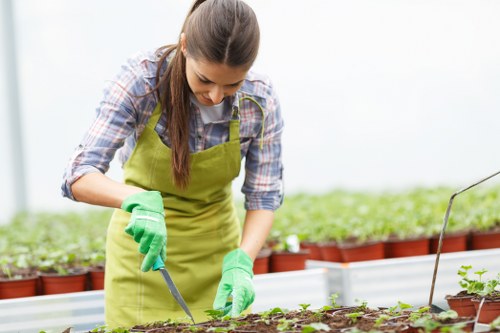 Gardening Mortlake is committed to creating an eco-friendly waste disposal area and a thriving sustainable rubbish gardening area across the neighbourhood. This page outlines our practical approach to reuse, repair and recycle while supporting local green spaces. We combine kerbside initiatives, civic transfer station collaboration and community partnerships to reduce landfill and unlock value from garden waste, compostable materials and recyclable packaging.
Our local strategy aligns with borough-level waste separation programs: clear sacks or separate bins for paper, plastics and metals; food caddies for organics; and dedicated garden waste collections. Mortlake gardening sustainability promotes split-stream separation where glass and mixed recyclables are kept apart and biodegradable green waste is diverted to composting hubs. The emphasis is on reducing contamination so materials enter circular reuse systems rather than residual waste streams.
 We have set an ambitious recycling percentage target: a 65% recycling and composting rate by 2028 for all gardening-related waste in the Mortlake area, moving gradually towards a 75% target by 2035. To reach this, we prioritise source separation (kerbside and on-site segregation), increased community composting, and reuse pathways for pots, tools and surplus soil. The target is measured by diversion rates at transfer stations and through audits of collection rounds.
Local transfer stations and civic hubs
We partner with borough transfer stations and nearby civic amenity sites to ensure an efficient, low-emission chain from kerb to processing. Typical local transfer stations accept segregated garden waste, wood, clean soil, and inert materials destined for composting or reuse. Our operational plan maps routes to municipal transfer hubs to shorten haul distances and improve processing turnaround.
Key elements include:
- Designated transfer routes that prioritise low-traffic times and avoid residential disturbance.
- On-site sorting at community collection points to reduce cross-contamination.
- Temporary drop-off days for bulky garden items and clean spoil to the borough recycling hub.
 The moves to coordinate with local transfer stations help keep compostable fractions pure and reusable timber separated for chipping. These practices support the broader Mortlake gardening recycling ecosystem, strengthening the materials markets for shredded green waste, mulch and reclaimed masonry.
Partnerships with charities and reuse networks
Gardening Mortlake works closely with community charities, social enterprises and tool libraries to create reuse pathways for pots, planters, furniture and surplus soil. By directing serviceable items to charities and community horticulture projects, we reduce the need for new products and support social value outcomes. Mortlake garden recycling is most effective when reuse is embedded into the collection flow.
Partnership highlights include collaboration with local groups that:
- Accept cleaned plant pots and trays for reuse in community nurseries.
- Collect reusable timber and tools for training schemes and habitat projects.
- Run repair events to extend the life of garden equipment, reducing replacement waste.
These charity partnerships help divert bulky and reusable items from transfer stations, lowering processing costs and increasing social benefit.
Low-carbon logistics and collection fleet
 Reducing transport emissions is vital for an eco-friendly waste disposal area. Gardening Mortlake operates a fleet made up of low-carbon vans, including electric and plug-in hybrid light vehicles, and uses cargo bikes for short-distance collections within dense streets. This reduces NOx and particulate emissions in the borough and supports quieter collection windows for residents.
The fleet strategy is threefold: maximise electric vehicle use on short, frequent routes; deploy hybrid vehicles on longer transfer runs; and coordinate multi-stop rounds to keep mileage low. We combine this with route optimisation software and scheduled visits to local transfer stations to further shrink carbon intensity per tonne of material moved.
 Measuring success: we monitor diversion rates, fleet emissions, and charity uptake monthly, and publish an annual sustainability report summarising the progress toward the recycling percentage target. Metrics tracked include weight of garden waste composted, volume of reused pots and tools, contamination rates at kerbside, and kilometres driven by EVs versus diesel vehicles.
How residents can support the sustainable rubbish gardening area: separate garden waste and food scraps, rinse plastics and containers, donate usable pots and tools to partner charities, and bring large or contaminated items to scheduled transfer hub days. Gardening Mortlake recycling works best when households, community groups and municipal services collaborate.
Through careful waste separation (borough-style dry recycling, organics and garden fractions), efficient use of local transfer stations, active charity partnerships and a low-emission vehicle fleet, we aim to transform local gardening waste from a disposal problem into a resource opportunity. Together, we can make Mortlake a model for sustainable gardening waste management.
Join the movement toward a greener Mortlake: remove contamination at source, choose reuse over replacement and support community composting to hit our targets and nurture healthier soils, parks and street verges.